Common Causes of Damage to Concrete Flatwork
People seeking damage to concrete flatwork repair can find local contractors who diagnose common causes of damage and provide effective solutions to restore and protect their surfaces.
Understanding the common causes of damage to concrete flatwork is essential for property owners looking to maintain the integrity and appearance of their surfaces. Issues such as freeze-thaw cycles, improper installation, and exposure to harsh weather conditions can all contribute to cracking, spalling, or uneven settling over time. Recognizing these factors early can help prevent more extensive damage and costly repairs down the line. Local contractors who specialize in concrete flatwork repair are equipped to assess these issues and recommend effective solutions, ensuring that your property remains safe and visually appealing.
For property owners in the area, exploring the causes behind concrete deterioration can be a practical step toward protecting investments and avoiding unexpected expenses. Whether it’s addressing drainage problems that lead to water pooling or understanding how heavy foot traffic and equipment impact the surface, knowing what causes damage helps inform maintenance decisions. Service providers in the community are available to evaluate existing conditions and provide tailored repair options, helping to keep concrete flatwork in top condition for years to come. Keep reading to learn more about how these common issues might affect your property and what local experts can do to help.
- Concrete driveway repairs are often needed when cracking or scaling occurs due to freeze-thaw cycles, and local contractors can assess and restore the surface. Sidewalk damage caused by shifting or heaving may require professional leveling and patching services from experienced service providers. Cracks and spalling in concrete patios frequently result from heavy loads or improper installation, prompting local pros to perform necessary repairs. Damage to concrete around pools, such as cracking or settling, can be addressed by specialists who evaluate underlying issues and restore the flatwork. Surface deterioration caused by chemical exposure or staining can be remedied by local contractors skilled in cleaning and sealing concrete flatwork.
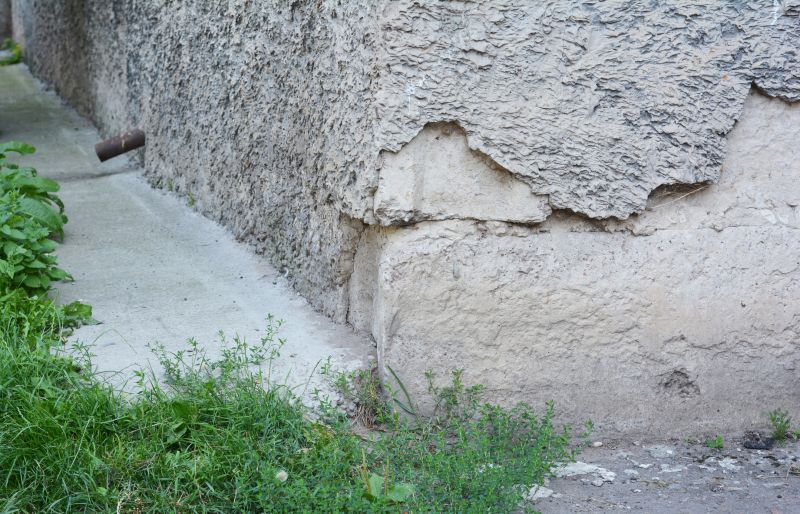
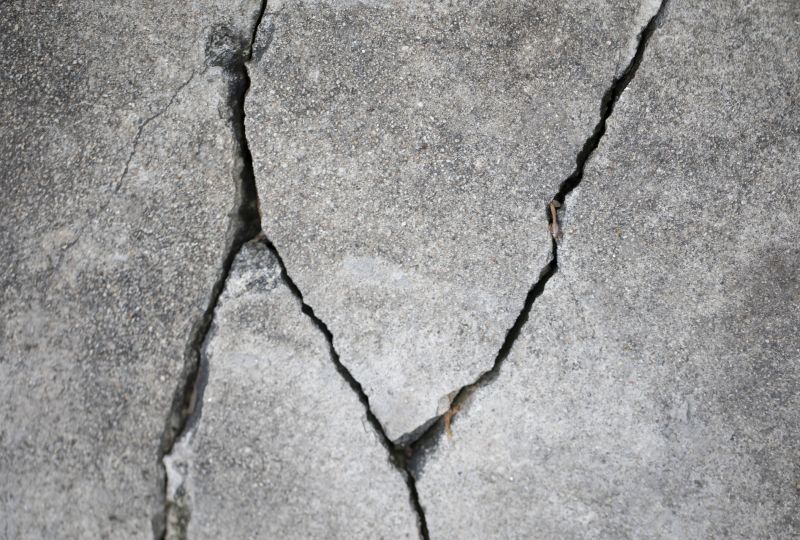
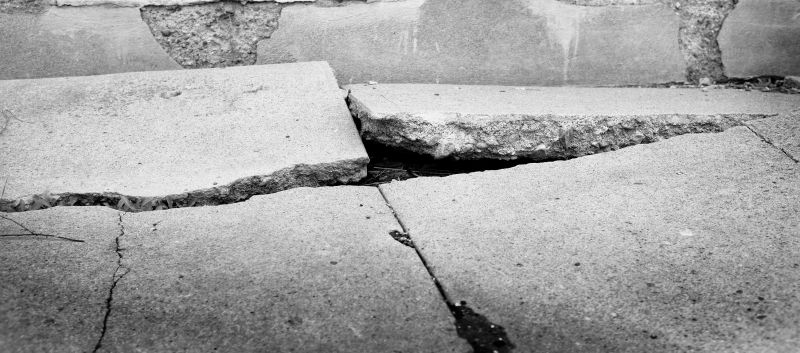
Understanding the common causes of damage to concrete flatwork is essential for homeowners planning repairs or preventative measures. Concrete flatwork, which includes driveways, walkways, patios, and flooring, is a durable material but still vulnerable to various issues over time. When searching for this topic, many people are usually concerned about cracks, surface deterioration, and unevenness that compromise the safety and appearance of their property. Recognizing the root causes behind these problems helps property owners determine whether repairs are necessary and how to prevent further damage, making it a key consideration for those maintaining or improving their outdoor and indoor spaces.
One of the primary factors contributing to damage in concrete flatwork is exposure to moisture. Water can seep into tiny cracks or porous areas, especially during freeze-thaw cycles, leading to expansion and contraction that eventually causes cracking or spalling. Poor drainage around the property can exacerbate this issue, allowing water to pool or infiltrate the concrete surface. Additionally, improper installation practices, such as inadequate subgrade preparation or insufficient reinforcement, can make flatwork more susceptible to early deterioration. Local service providers experienced in damage repair can assess these issues and recommend solutions to address moisture-related problems and reinforce the concrete structure.
Another common cause of damage to concrete flatwork involves physical impacts and heavy loads. Vehicles, equipment, or even outdoor furniture can exert significant pressure on the surface, leading to cracks, chipping, or surface scaling. Over time, repeated stress from these impacts can weaken the concrete’s integrity, especially if the material was not designed to handle such loads initially. In residential settings, driveways and garage floors are particularly vulnerable to this type of damage. Local contractors specializing in flatwork repair can evaluate the extent of impact-related damage and suggest appropriate fixes, such as crack sealing, surface leveling, or reinforcement to extend the lifespan of the concrete.
Environmental factors also play a notable role in damaging concrete flatwork. Exposure to chemicals, such as de-icing salts, fertilizers, or oil spills, can deteriorate the surface and cause staining or surface breakdown. Additionally, natural elements like tree roots growing underneath or near the flatwork can exert upward pressure, leading to uneven surfaces or cracking. These causes are common in properties with mature landscaping or areas prone to chemical exposure. Service providers experienced in damage repair can identify these environmental influences and recommend tailored solutions to mitigate ongoing harm, helping homeowners preserve the functionality and appearance of their concrete surfaces.
Driveway Replacement - driveway projects often involve concrete flatwork, requiring skills in surface preparation and repair to address cracks and deterioration caused by weather and heavy use.
Patio Construction - designing and installing patios involves working with existing concrete surfaces and understanding common damage causes to ensure long-lasting results.
Sidewalk Repair - sidewalk repair services address issues like cracking and uneven surfaces that stem from ground movement and freeze-thaw cycles affecting concrete flatwork.
Garage Floor Resurfacing - resurfacing garage floors involves repairing surface damage and understanding how improper curing and load stresses contribute to concrete deterioration.
Pool Deck Installation - installing pool decks requires expertise in managing moisture-related damage and surface cracking common to concrete flatwork near water features.
Foundation Flatwork - foundation flatwork services focus on addressing foundational cracks and settlement issues that are closely related to common causes of damage in concrete surfaces.
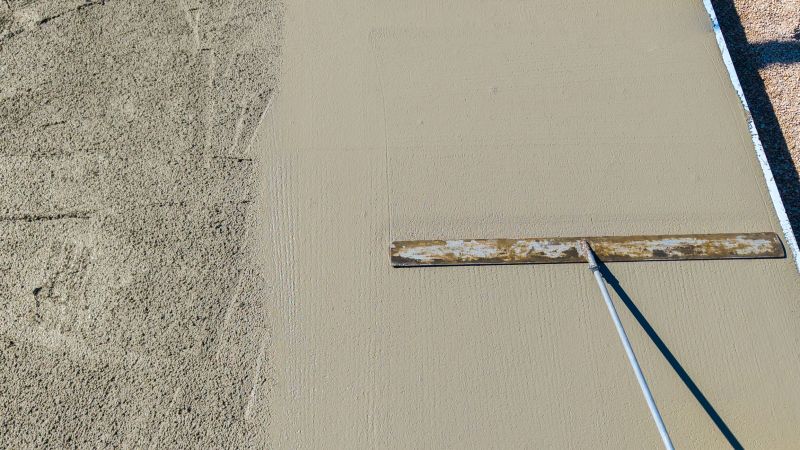
When comparing local contractors for concrete flatwork repair, it is important to consider their experience with similar projects. Contractors who have a history of addressing common causes of damage to concrete flatwork are more likely to understand the underlying issues and recommend effective solutions. Homeowners should inquire about the types of repairs they have performed in the past and seek out service providers with a proven track record in handling issues such as cracking, spalling, or heaving caused by factors like freeze-thaw cycles, improper drainage, or soil movement. This experience can provide confidence that the contractor is familiar with the specific challenges associated with damage to concrete flatwork and can deliver results that address the root causes.
Clear written expectations are essential when evaluating local service providers for concrete flatwork repairs. Homeowners should seek detailed proposals that outline the scope of work, materials to be used, and the anticipated process for addressing damage. Having this information in writing helps ensure that both parties share a mutual understanding of the project’s objectives and reduces the likelihood of misunderstandings or surprises during the repair process. Good communication from the contractor-such as prompt responses to questions and transparency about methods-also plays a key role in establishing trust and making sure the repair work aligns with the homeowner’s needs.
Reputable references and a reputation for reliable communication are valuable indicators of a contractor’s professionalism and quality of work. Homeowners can ask service providers for references from previous clients who had similar types of damage repaired. Speaking with past customers can offer insights into the contractor’s ability to diagnose issues accurately, perform durable repairs, and maintain clear communication throughout the project. Choosing local contractors who are known for their responsiveness and transparency can help ensure that the repair process is smooth and that the work meets expectations, ultimately leading to a more satisfactory outcome for addressing damage to concrete flatwork.
Property owners often search for common causes of damage to concrete flatwork when they are planning practical projects around their homes and businesses. Local pros provide Damage to Concrete Flatwork Repair services for everyday jobs and straightforward project options.
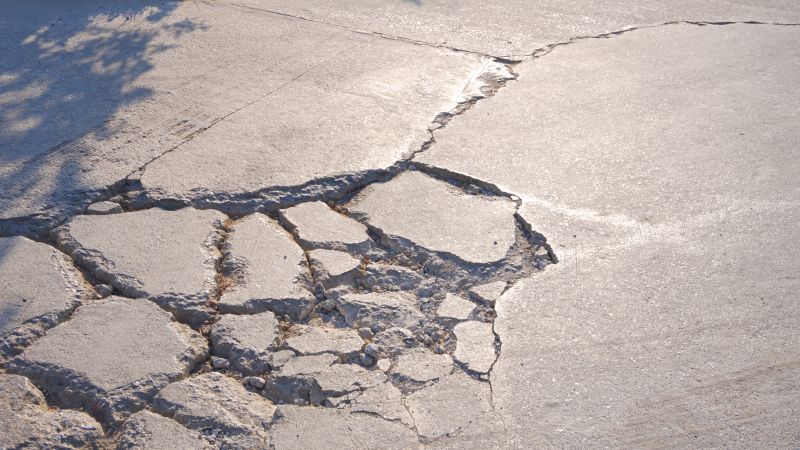
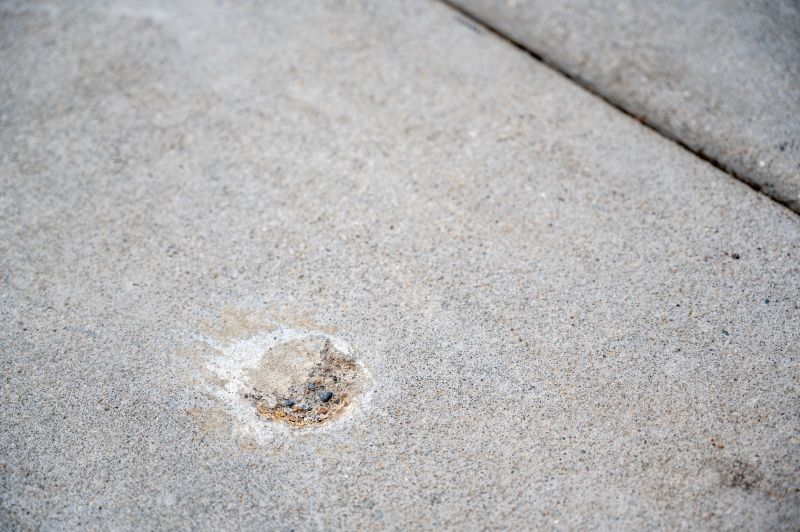
Many property owners in the area find themselves researching common causes of damage to concrete flatwork after noticing cracks, uneven surfaces, or surface deterioration in their driveways, patios, or walkways. Everyday issues such as frequent exposure to harsh weather conditions-especially freeze-thaw cycles-can cause the concrete to expand and contract, leading to cracks over time. Additionally, improper installation or inadequate soil preparation beneath the flatwork can result in settling or shifting, which often manifests as uneven surfaces or new cracks that require professional repair services.
Other common factors contributing to damage include heavy loads or vehicle traffic that exceed the concrete’s capacity, causing stress and eventual cracking. Spills of de-icing salts or chemicals can also deteriorate the surface, especially if not cleaned promptly. Property owners noticing these signs may consider reaching out to local contractors who specialize in concrete flatwork repair. These service providers can assess the damage, identify the underlying causes, and recommend appropriate solutions to restore the flatwork’s integrity and appearance.
What are common causes of damage to concrete flatwork? Common causes include freeze-thaw cycles, improper mixing or curing, heavy loads, and exposure to chemicals or moisture, which can lead to cracking, spalling, or settling. Local contractors experienced in concrete repair can assess and address these issues effectively.
How does improper installation contribute to damage in concrete flatwork? Poor installation practices such as inadequate subgrade preparation or improper reinforcement can cause uneven settling, cracking, or surface deterioration. Skilled service providers can correct installation flaws and reinforce the concrete to prevent future problems.
Can environmental factors damage concrete flatwork? Yes, exposure to moisture, temperature fluctuations, and chemicals like de-icing salts can weaken concrete over time, leading to surface scaling or cracking. Local repair specialists can evaluate environmental impacts and recommend suitable repairs or protective measures.
What role does heavy or frequent traffic play in damaging concrete flatwork? Heavy loads or constant foot traffic can cause surface wear, cracking, or deformation, especially if the concrete was not designed to handle such stress. Experienced contractors can reinforce or replace affected areas to restore durability.
How can moisture exposure lead to damage in concrete flatwork? Excess moisture can cause freeze-thaw damage, leading to cracking and spalling, or promote corrosion of reinforcement within the concrete. Local pros can perform repairs and apply protective treatments to mitigate moisture-related issues.
Heavy loads and traffic can cause stress and cracks in concrete flatwork, so property owners might consider consulting local contractors to assess and reinforce high-traffic areas. Poor drainage and water exposure can weaken concrete over time; local service providers can help improve drainage systems to prevent future damage. Temperature fluctuations lead to expansion and contraction, which may cause cracking; local pros can recommend appropriate joint placement and repair methods. Improper installation or subgrade preparation often results in uneven surfaces and damage, making it beneficial to work with local contractors for proper foundation work.
If you are thinking about common causes of damage to concrete flatwork for a property, this guide is meant to help you understand this topic, the typical project types, and how different options might fit your plans.
When you are ready, you can use the quote form on this page to share a few details about your project. From there, local pros can review the basics and follow up with options that match what you have in mind.